

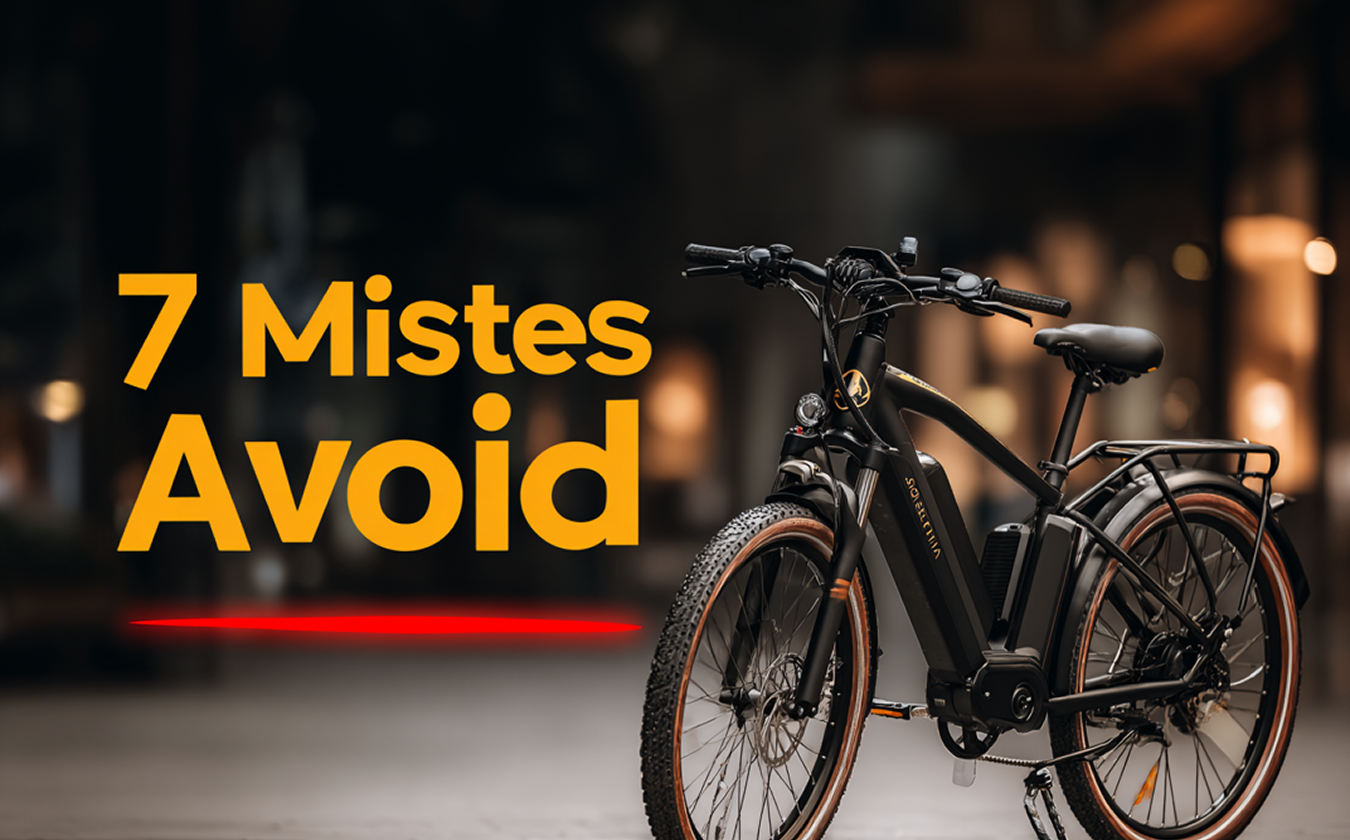
Buying an e-bike is a decision that can change your life—more freedom, more exercise, less traffic. But be careful: The market is huge, and those who buy too hastily often end up paying more in the long run.
To ensure your investment does not become a bad purchase, we will show you the 7 most common mistakes e-bike beginners in Germany make—and how to avoid them.
❌ 1. Putting price before quality (“Buy cheap, buy twice”)
An e-bike for €799 at a discount store or home improvement store looks tempting. But what is under the hood?
-
🛑 The problem: Cheap bikes often cut costs on the brakes (safety!), battery cells, or build quality. If the “no-name” manufacturer disappears, you are left with a bike without spare parts.
-
✅ The solution: Look for branded components (e.g. Shimano gears and batteries with Samsung/LG cells). Quality costs more initially, but saves workshop costs in the long run.
❌ 2. Misjudging motor power (watts vs. torque)
Unlike in the USA, pedelecs in Germany are limited to 250 watts. Many buyers focus only on the wattage, but the real power lies elsewhere.
-
🛑 The problem: A weak hub motor may be sufficient on flat terrain, but it will fail at the first steep vineyard slope.
-
✅ The solution: Pay attention to torque (newton metres, Nm).
-
City/flat terrain: 30–40 Nm is perfectly sufficient.
-
Hills/mountains: Look for 60 Nm or more.
-
❌ 3. Choosing the wrong type of e-bike
A full-suspension mountain bike (fully) looks cool—but do you really need one for your commute?
-
🛑 The problem: Wide knobby tires on asphalt consume unnecessary battery power. A high frame (“top tube”) is impractical in city traffic with frequent mounting and dismounting.
-
✅ The solution:
-
Commuters: Trekking or city e-bikes with a luggage rack (for panniers).
-
Terrain: E-MTBs.
-
Limited space: Folding e-bikes for trains or the trunk.
-
❌ 4. Underestimating the weight (and transportation)
E-bikes often weigh between 23 and 30 kg. That is heavier than many people think.
-
🛑 The problem: Do you live on the third floor without an elevator? Do you have to lift the bike onto a car-mounted rear rack? A bike that is too heavy quickly becomes a burden.
-
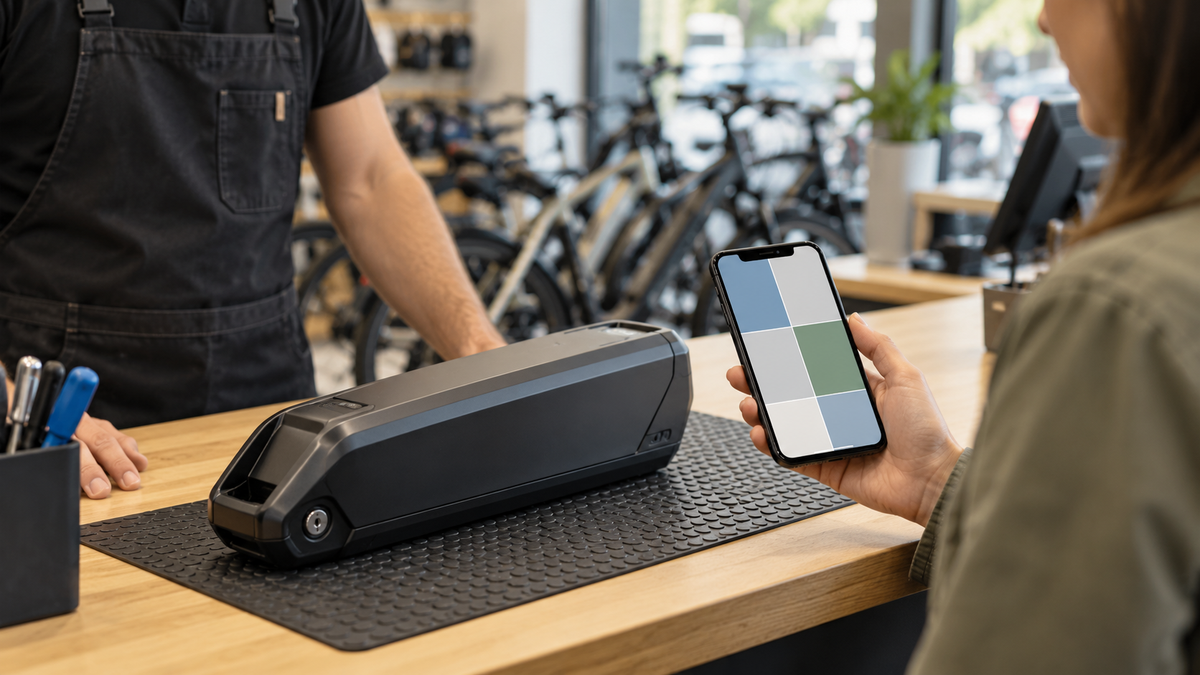
✅ The solution: Check the total weight. A removable battery is essential to make the bike lighter (and to charge the battery conveniently in your apartment).
❌ 5. Ignoring the “service desert”
You’ve bought the bike, but who will repair it?
-
🛑 The problem: Many local bicycle dealers do not repair unfamiliar online brands or have software for exotic motors.
-
✅ The solution: Buy from brands that offer good support, make maintenance easy (standard parts), or cooperate with mobile workshops. Check before buying: Are replacement batteries and displays available to purchase?
❌ 6. Forgetting the required StVZO equipment
In Germany, a bicycle cannot simply be ridden on the road.
-
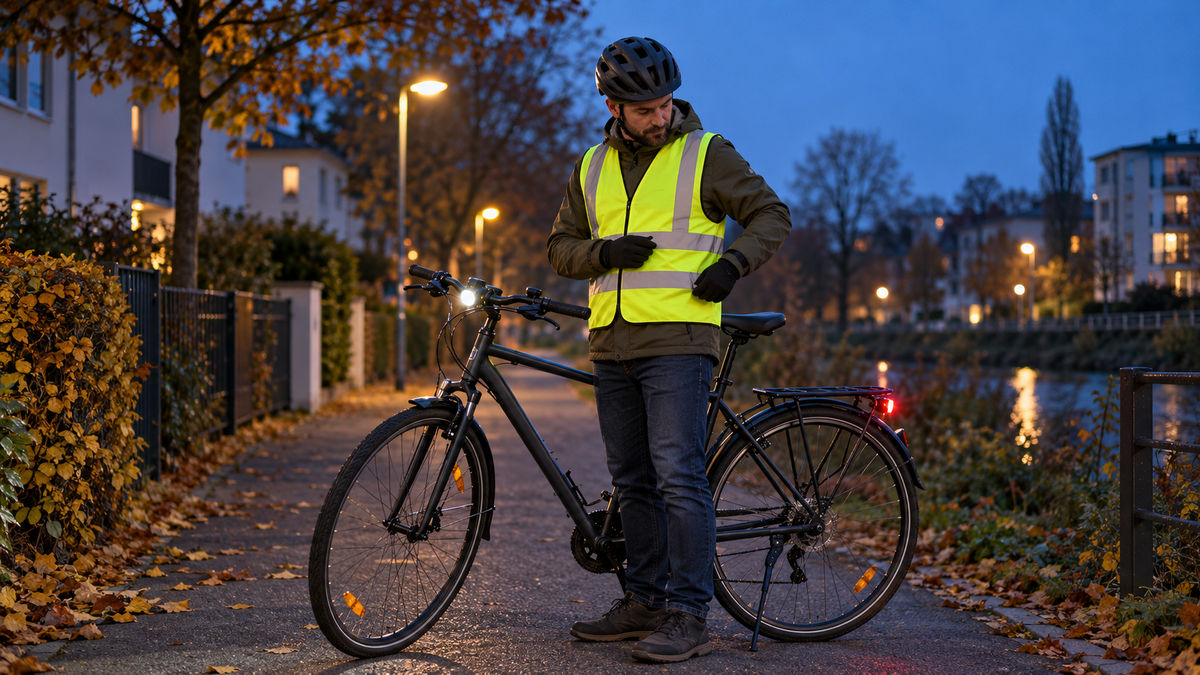
🛑 The problem: Many “cool” bikes from the internet come without lights, reflectors, or a bell. That is illegal and can be costly during inspections. What’s more, without mudguards you’ll arrive at the office “breaded” in rainy German weather.
-
✅ The solution: An everyday bike must be “StVZO-compliant”.
-
Must-haves: Permanently installed lights (powered by the battery), reflectors, two independent brakes, and a bell.
-
❌ 7. Skipping genuine user reviews
Glossy brochures always promise the earth.
-
🛑 The problem: 100% 5-star reviews on a company’s own website are often not meaningful.
-
✅ The solution:
-
Search YouTube for "[Modellname] Test" or "Review".
-
Check forums such as Pedelecforum.de.
-
Look for genuine customer photos: What does the bike look like after 6 months of use?
-
✅ Your pre-purchase checklist
-
[ ] Intended use: Is the bike suitable for my commute (asphalt vs. forest path)?
-
[ ] Power: Does the motor have enough torque (Nm) for my surroundings?
-
[ ] Legality: Is the bike compliant with the StVZO (lights, 25 km/h limit)?
-
[ ] Weight: Can I carry the bike (or the battery)?
-
[ ] Service: Where can I get spare parts in an emergency?
Anyone who avoids these 7 mistakes is not just buying a bicycle, but a loyal companion for many years.
Start smart – and enjoy every ride! 🚴♂️
Further Reading & References (Further Reading & References)
-
ADFC (General German Bicycle Club). (2024). Checklist for buying used and new pedelecs.
-
Stiftung Warentest. (2024, June). E-bike test: The best pedelecs for city riding and touring.
-
Consumer Advice Centre. (2024, May 15). Buying a bicycle online: What you should look out for.
-
Fines catalogue. (2025). Bicycle lighting: What does the German Road Traffic Licensing Regulations (StVZO) require?

Share:
Do I need a driver's license for my e-bike? The legal situation in Germany
E-Bike Laws in Germany: 7 Legal Pitfalls You Need to Know Before Buying