

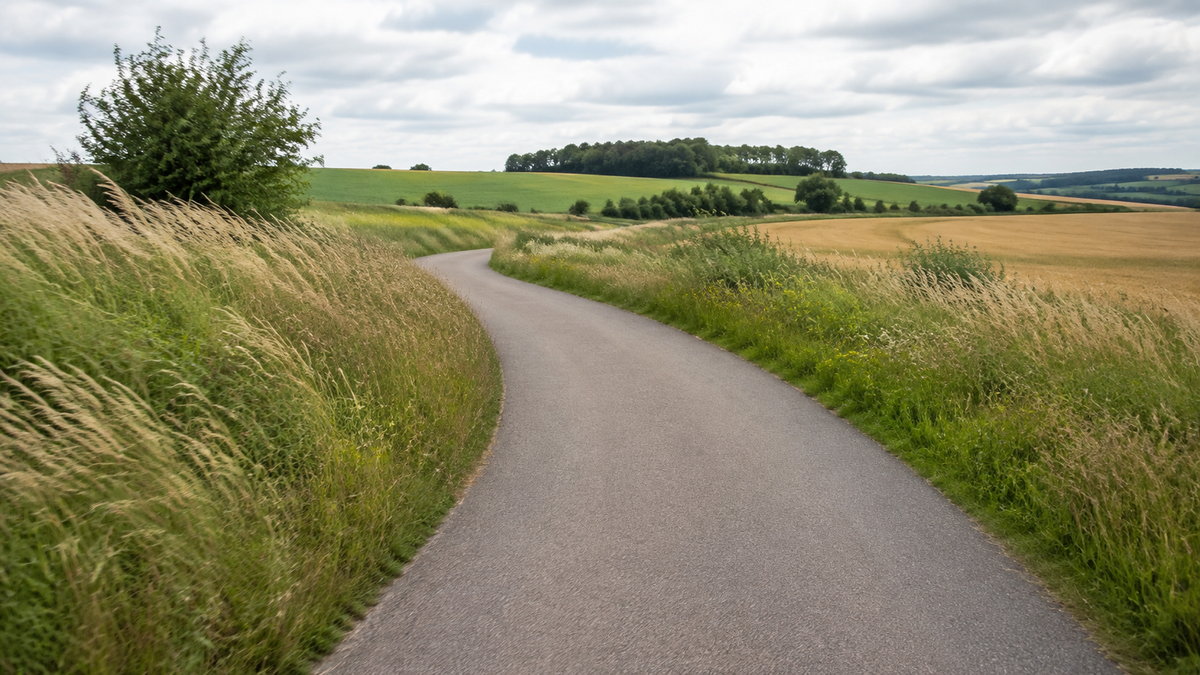
Cycling in windy conditions is mainly about adapting your route and speed to the conditions. Check the forecast before setting off, expect changing gusts along the way, and plan an option for ending your ride early. In a storm, or if you cannot reliably hold your line, postponing the ride is the better decision—even on an e-bike.
1. Check the wind and warnings before setting off
Check the current weather warnings from the German Weather Service for your route and planned travel time. Also think about the return journey: a pleasant tailwind on the way out says little about how strenuous the ride back will be. Pay particular attention to forecast gusts and whether conditions are expected to worsen during the day.
A general wind-speed figure is not a clearance to cycle. The DWD warning criteria for wind refer to gusts at approximately ten metres above open terrain. They cannot be used to derive a personal safety limit at the handlebars. The route, traffic, and your control of the bicycle remain decisive.
2. Choose a less exposed route
Check in advance where your route crosses bridges, open fields, or long exposed stretches. In gusty conditions, choose an alternative with fewer of these sections and easily accessible options for ending your ride. A shorter route may make more sense than your usual loop. Plan not only by distance, but also according to where you can safely stop and end your ride.
A forest path is not a suitable shortcut during a storm. The Federal Office of Civil Protection and Disaster Assistance advises avoiding time outdoors during severe weather, especially in forests. Breaking branches, falling trees, and falling objects can be dangerous. Postpone the ride instead of looking for a supposedly sheltered route through the trees.

3. Reduce your speed before conditions become difficult
Ride without time pressure in normal, manageable wind conditions. Keep both hands on the handlebars and do not use your phone while riding. Slow down early as soon as gusts begin to affect your line. Do not try to maintain a planned average speed against the wind.
The ADFC explains the impact of air resistance when cycling: factors include the area exposed to the airflow and your riding position. For everyday riding, this does not amount to a recommendation to adopt an unfamiliar racing position. Stay in a position that allows you to keep the handlebars, brakes, and traffic safely in view and under control.
When should you stop or avoid riding altogether?
If you are repeatedly pushed sideways or can no longer concentrate on traffic, do not simply continue riding. Gradually reduce your speed in a controlled manner and stop in a safe place outside moving traffic. If severe weather is approaching, seek shelter in a solid building in good time. Getting picked up, using public transport, or rescheduling are sensible alternatives.
Frequently asked questions about cycling in windy conditions
At what wind speed should I stop riding?
There is no blanket clearance or fixed limit. Check official warnings and the specific route. If you cannot reliably hold your line or a storm is approaching, do not ride.
Can I simply ride more slowly in a headwind?
In manageable conditions, reducing your speed can help. However, it does not eliminate dangerous crosswind gusts or the risk of falling objects. Assess the entire situation, not just the effort involved.
Does this also apply to an e-bike?
Yes. Assess warnings, the route, and your control of the bike just as carefully. The term e-bike alone does not indicate that it is safe to ride in strong winds.
You can find more practical, everyday tips for preparing your rides in the Cyseekin E-Bike Guide.
Share:
Lake Constance–Königssee Cycle Route in 7 Days: From Lindau to Schönau
Adjust your bike helmet correctly: How to check the fit