

Cyseekin E-Bike Blog
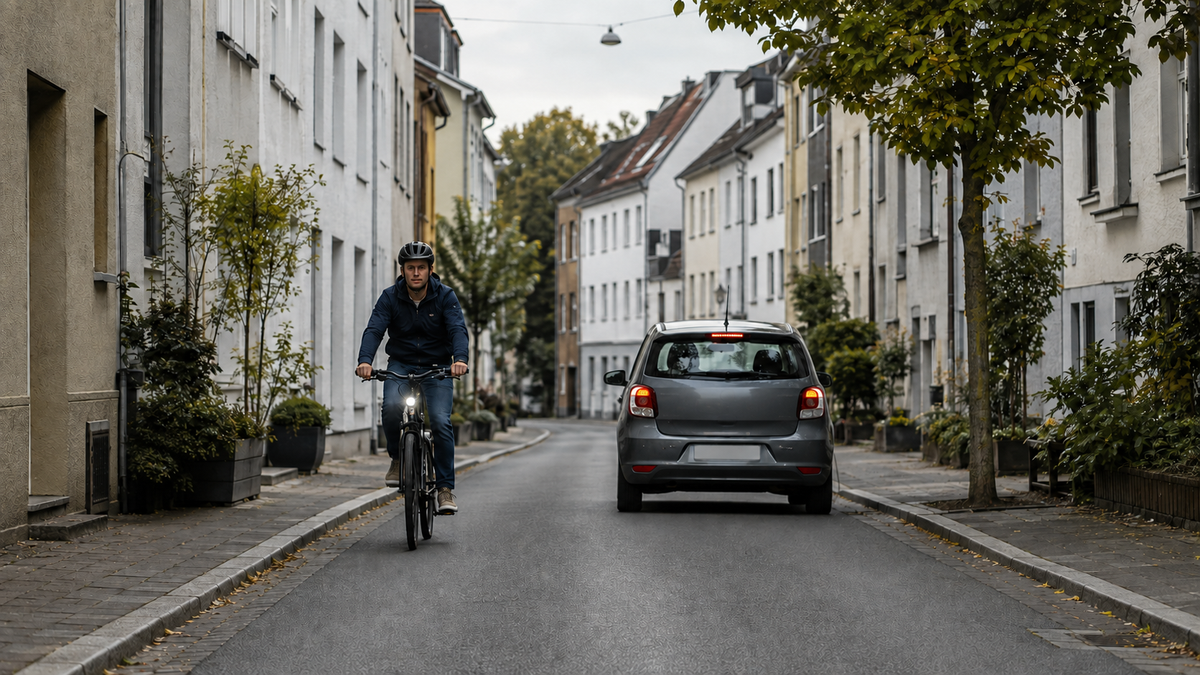
One-way street by bicycle: Ride against the direction of traffic only if permitted
Read moreabout One-way street by bicycle: Ride against the direction of traffic only if permitted
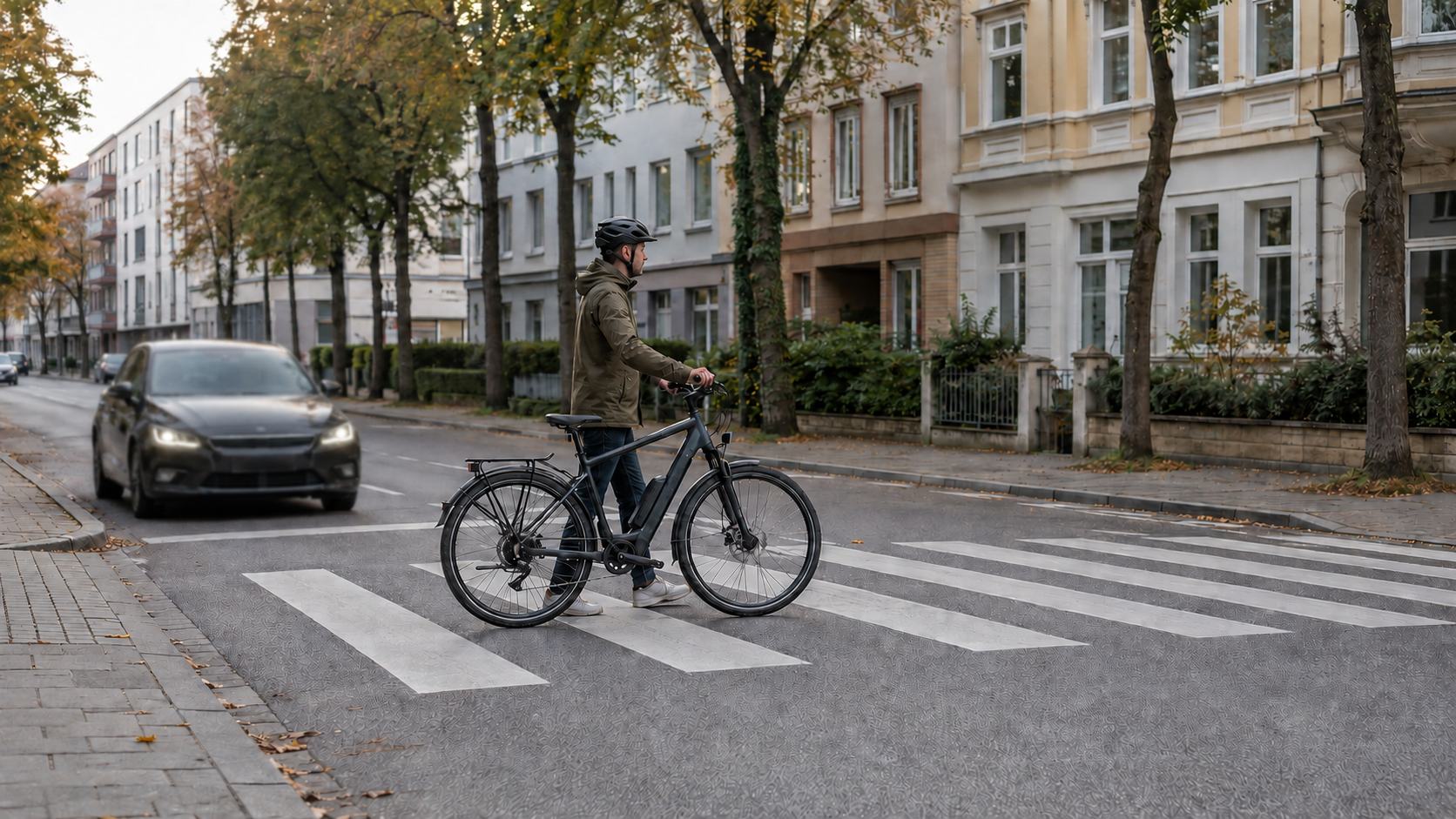
Crossing a zebra crossing by bike: Understanding right of way correctly
Read moreabout Crossing a zebra crossing by bike: Understanding right of way correctly

E-bike tuning: Why 25 km/h is legally decisive
25 km/h limits motor assistance, not your own speed. Why tuning can change the bike’s legal status, approval, and insurance coverage.
Read moreabout E-bike tuning: Why 25 km/h is legally decisive

Bicycle street: How to correctly interpret the rules, speed limits, and supplementary signs
Who is allowed to enter a bicycle street, what is the speed limit there, and who has the right of way? The most important rules on supplementary signs, riding side by side, and pedelecs.

How fast is a bicycle allowed to go? Visibility instead of the 25 km/h myth
For bicycles, the number 25 is not a blanket rule. Visibility, stopping distance, traffic signs, and special areas determine the permitted and safe speed.
Read moreabout How fast is a bicycle allowed to go? Visibility instead of the 25 km/h myth

Riding side by side: Rules for pairs and groups
Read moreabout Riding side by side: Rules for pairs and groups

Bicycle in a roundabout: entering, circulating, and exiting
Read moreabout Bicycle in a roundabout: entering, circulating, and exiting
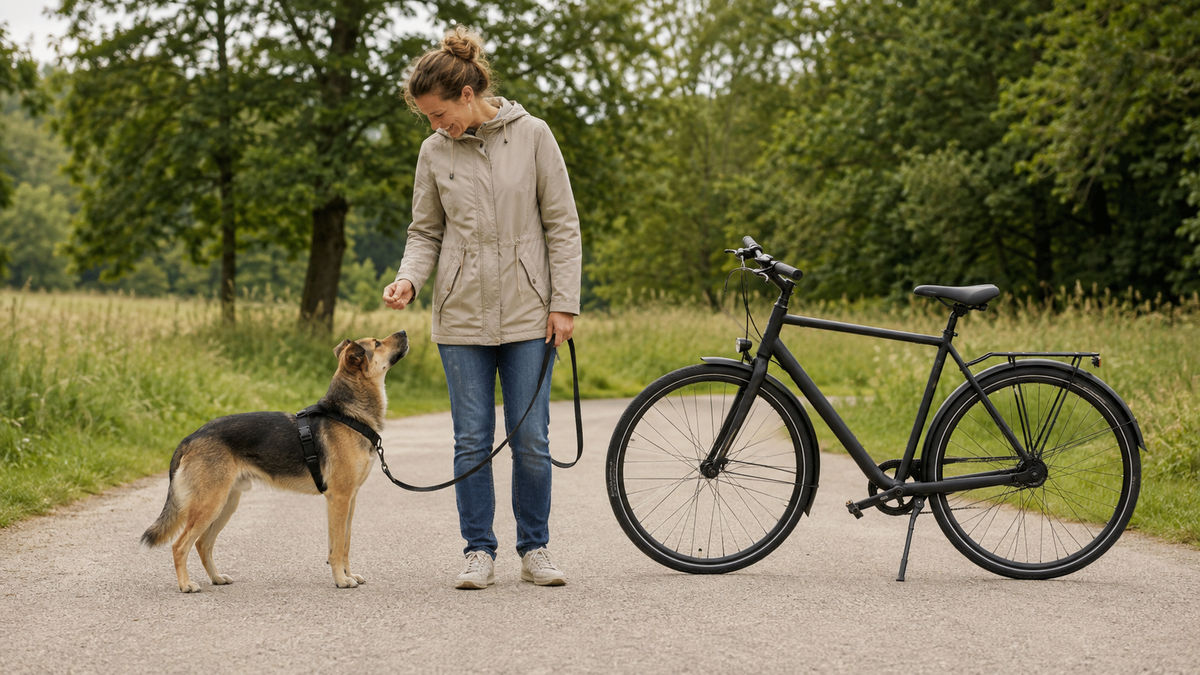
Dog on a Bike: Legal Requirements, Training, and Stop Signals
Not every dog is suited to running alongside you. Here’s how to combine German road traffic regulations, animal welfare, short training steps, and local leash rules.
Read moreabout Dog on a Bike: Legal Requirements, Training, and Stop Signals

Alcohol on a bicycle: blood alcohol limits, criminal offense, and medical-psychological assessment
0.5 per mille is not a permissible limit for cycling. This overview explains relative and absolute incapacity to ride, the MPU, and vehicle classes.