

Cyseekin E-Bike Blog
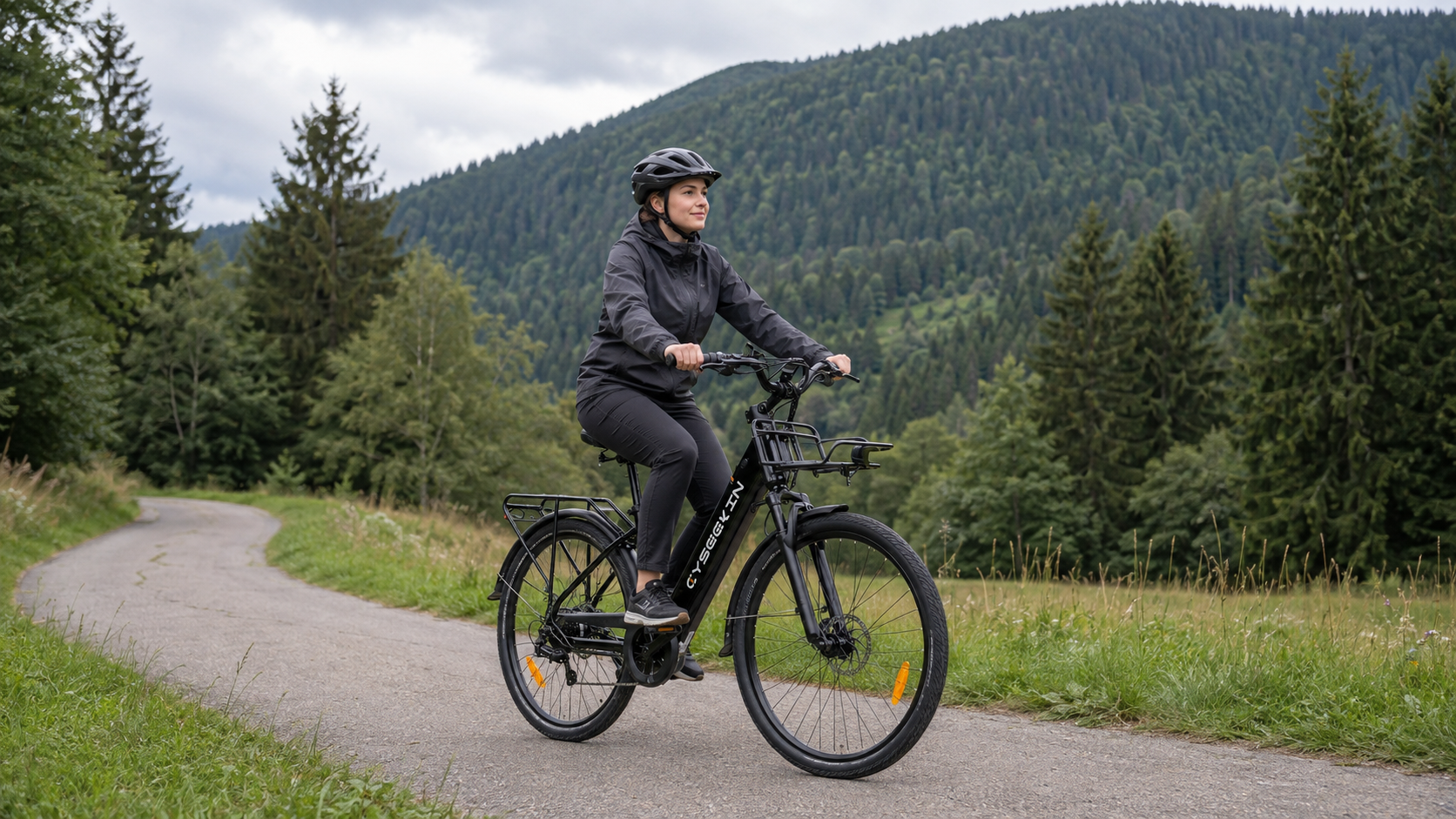
Exploring the Black Forest by E-Bike: My Day Between Triberg and Gutach
Cycling journal: A day with the Cyseekin e-bike between Triberg and Gutach—with a museum stop, a waterfall, and a short checklist for planning your rides.
Read moreabout Exploring the Black Forest by E-Bike: My Day Between Triberg and Gutach
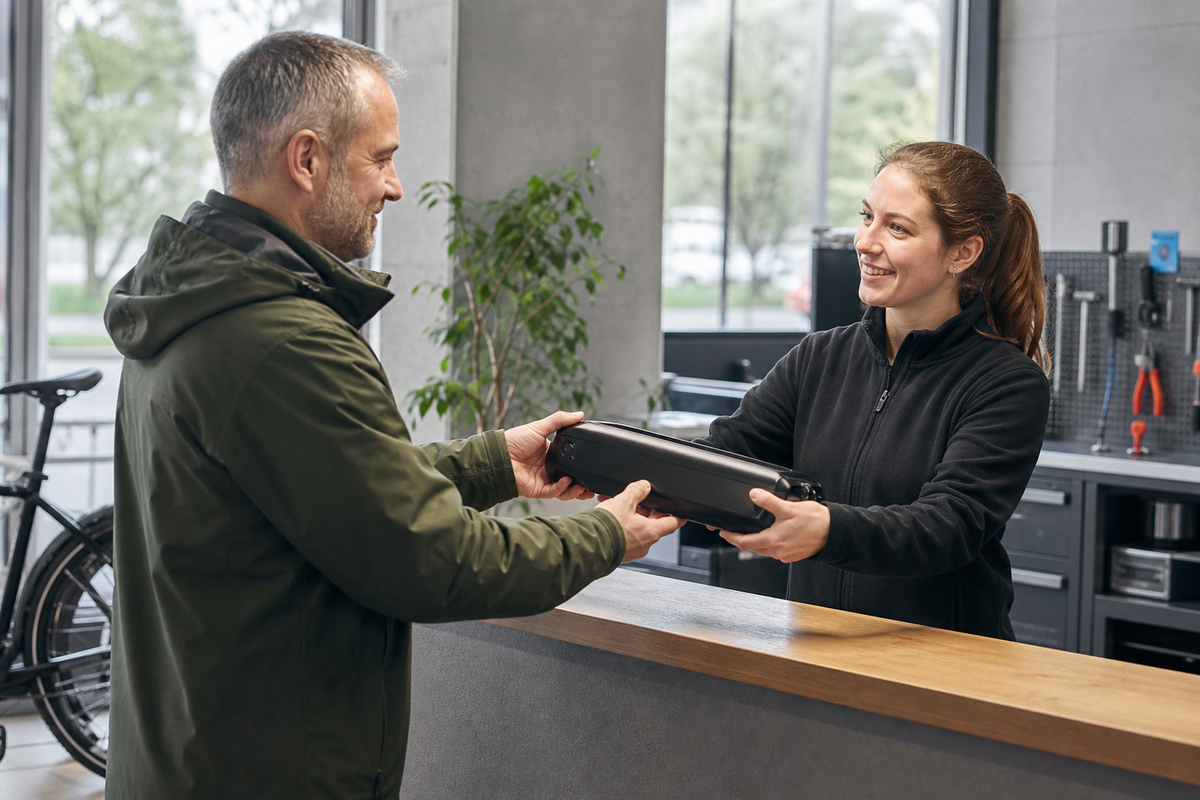
Dispose of an e-bike battery: return, costs, and safety
Quick overview: Where should you take an old e-bike battery, is returning it free of charge, and what applies in the event of damage? This guide explains drop-off locations, safe transport, and important stop signals.
Read moreabout Dispose of an e-bike battery: return, costs, and safety
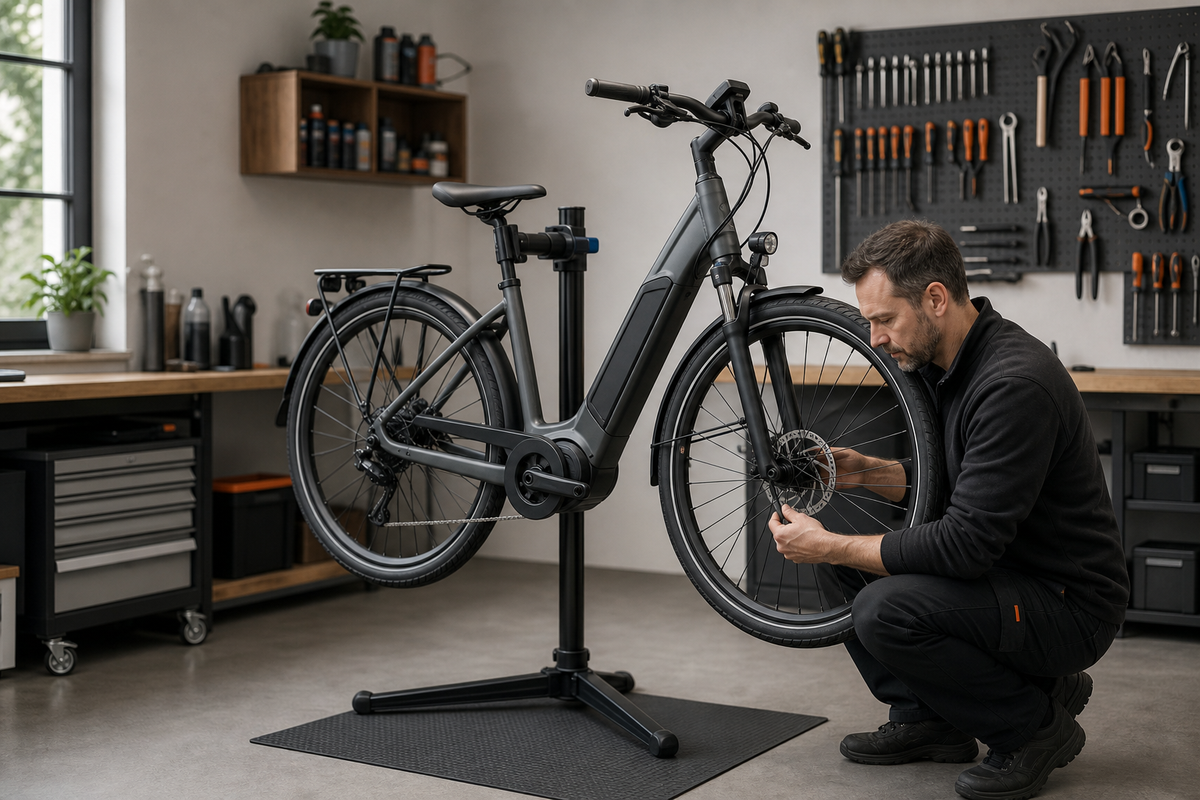
E-bike inspection: When is it advisable, and what is checked?
Quick overview: When is an e-bike inspection advisable, what does the workshop check, and what costs are involved? This guide explains service intervals, inspection points, current price examples, and how to prepare for your appointment.
Read moreabout E-bike inspection: When is it advisable, and what is checked?
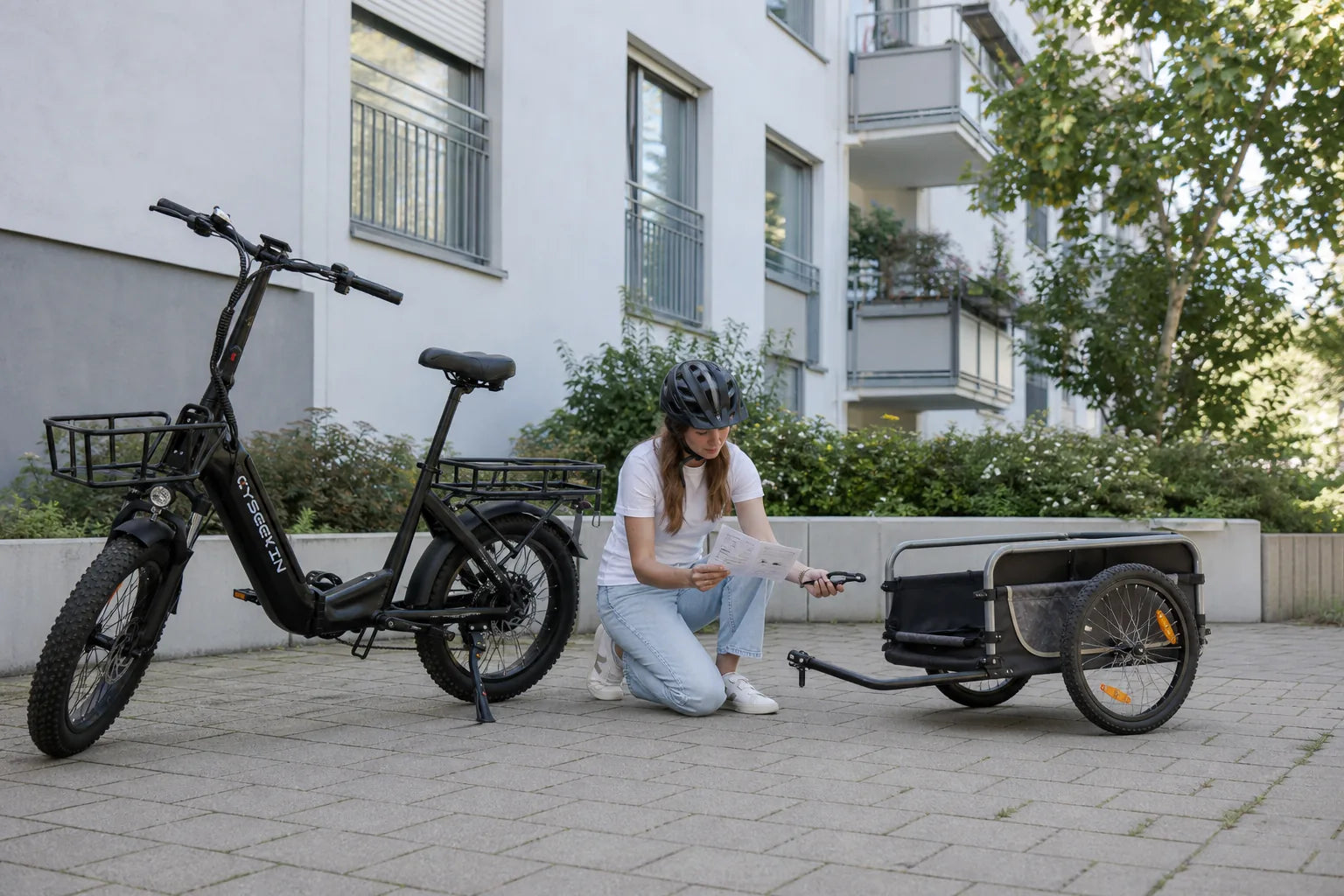
E-bike with trailer: Does the hitch really fit my bike?
In short: Before buying a trailer, make sure the manufacturer’s approval, axle type, and hitch are compatible.
- Maximum load capacity does not automatically mean a towing capacity.
- Choose the adapter based on the axle, thread, length, and frame clearance.
- Test the braking distance, turning circle, and route without a load.
Read moreabout E-bike with trailer: Does the hitch really fit my bike?
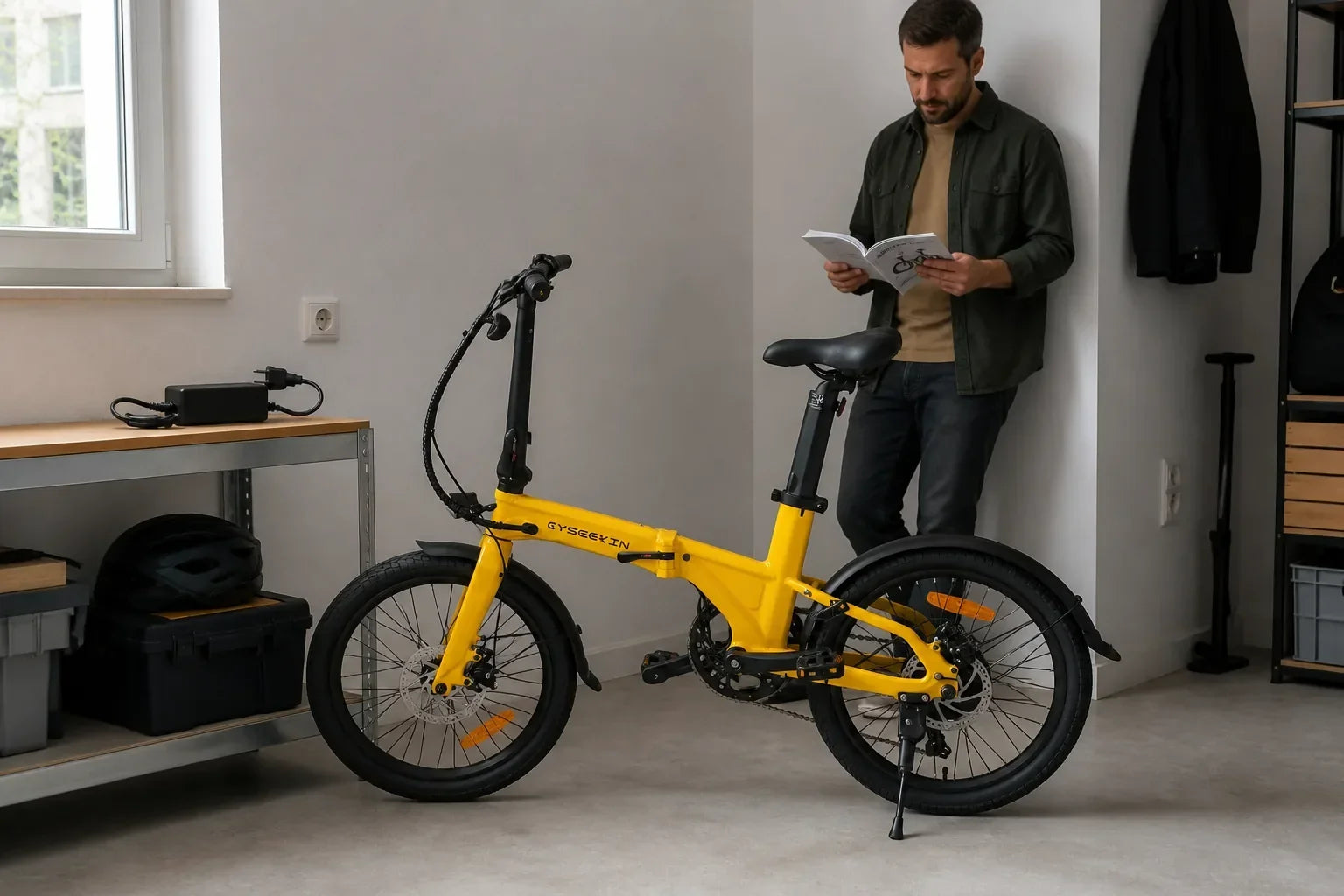
Charging the e-bike battery: What is the correct sequence for the C10?
In short: For the Cyseekin C10, connect the DC side to the bike first, then connect the AC side to the power outlet.
- Use only the original charger or one expressly approved for use.
- Charge in a dry, well-ventilated area and within the permitted temperature range.
- Stop charging if there is any damage, moisture, or unusual heat.
Read moreabout Charging the e-bike battery: What is the correct sequence for the C10?
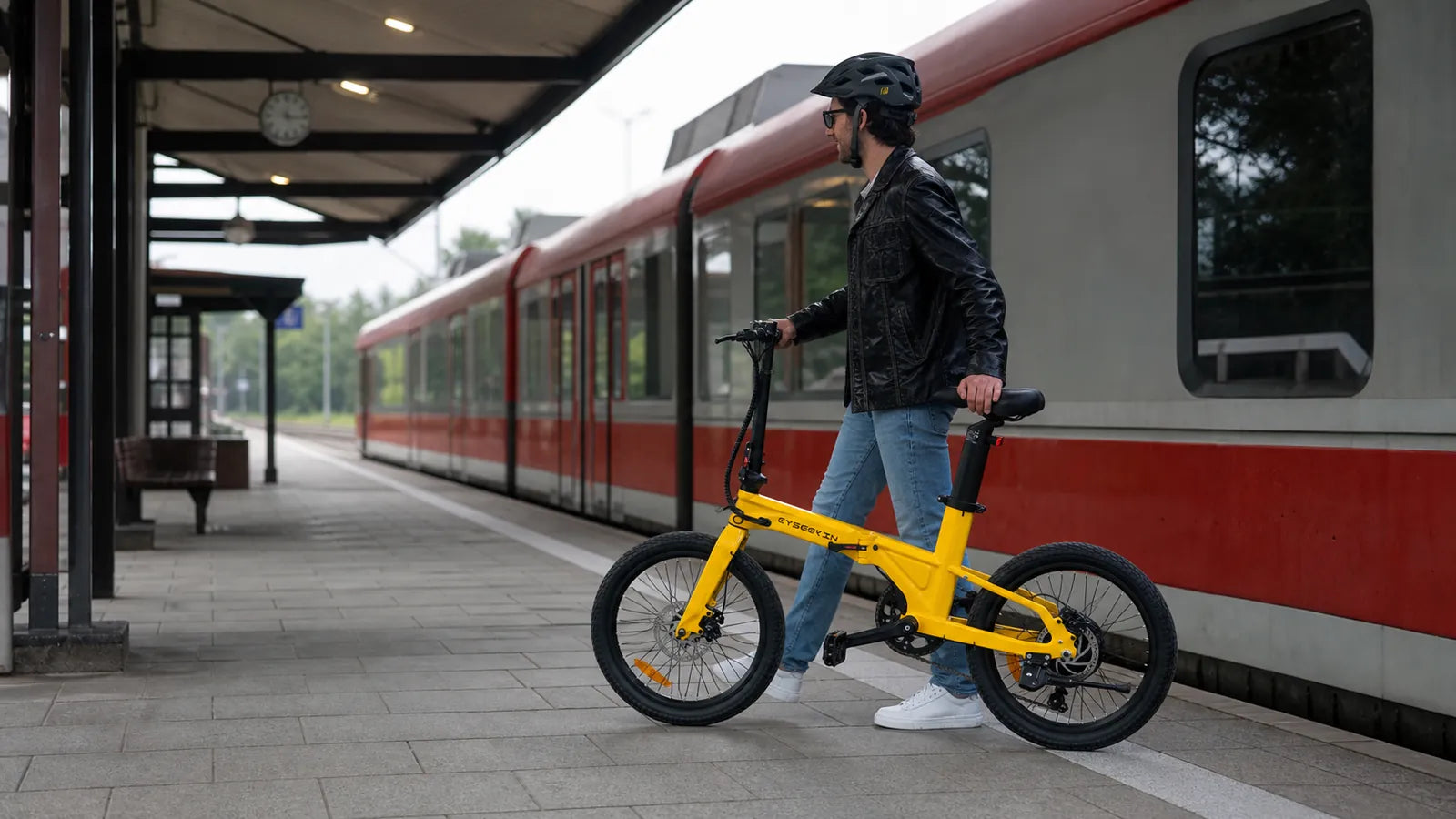
- 0 commentsto Taking an E-Bike on the Train: Planning Your Ticket, Battery, and Folding Bike Properly
Taking an E-Bike on the Train: Planning Your Ticket, Battery, and Folding Bike Properly
Whether an e-bike travels as a bicycle or folded as luggage determines the ticket, reservation, and storage requirements. Before traveling, check the operator’s rules, train type, and actual folded dimensions.
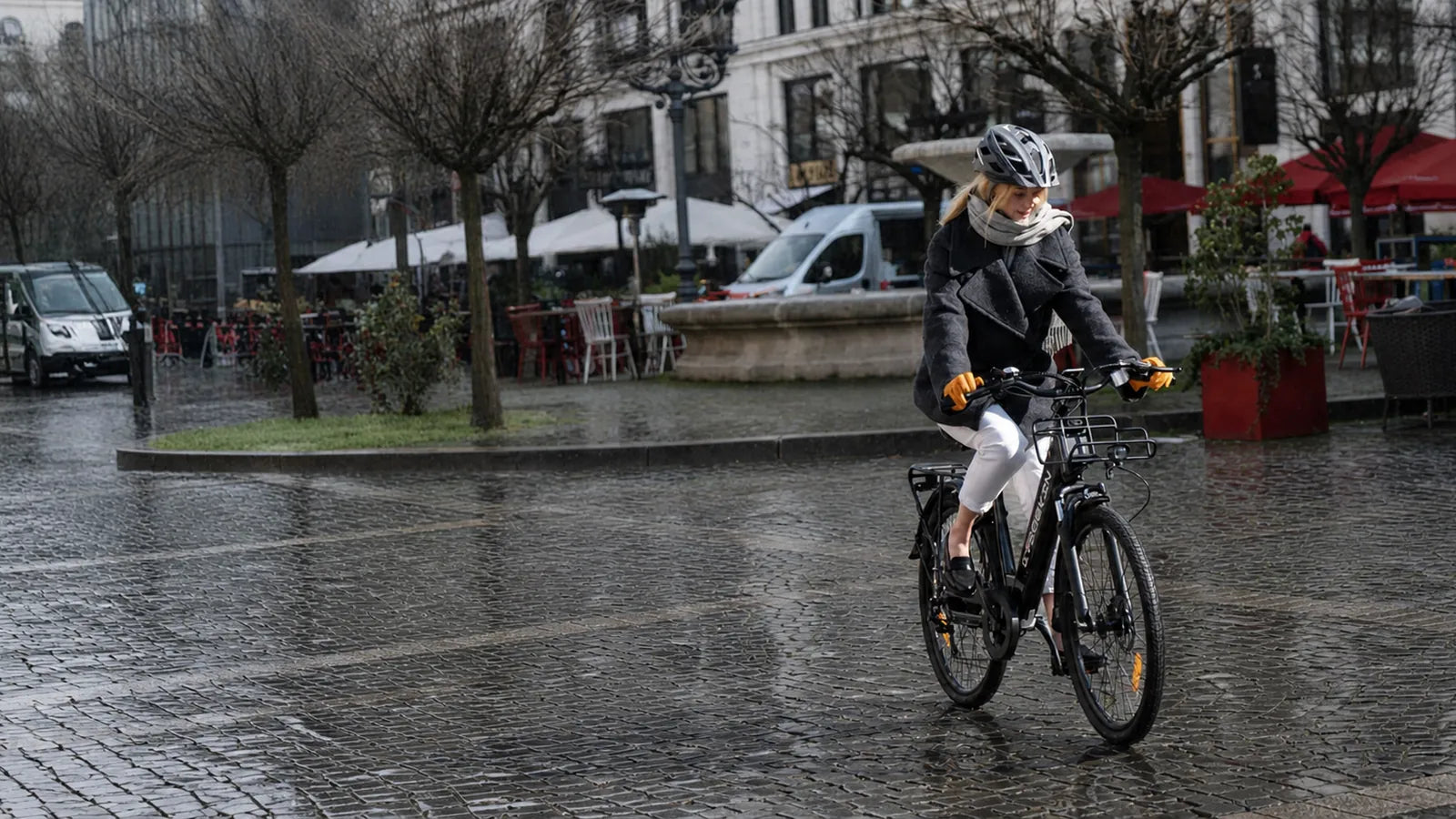
Riding an E-Bike in the Rain: Protection for the Battery, Display, and Brakes
Rain is no reason to cancel every ride. What matters is following the manufacturer’s instructions, leaving more distance on wet roads, and following a careful drying routine before charging again.
Read moreabout Riding an E-Bike in the Rain: Protection for the Battery, Display, and Brakes
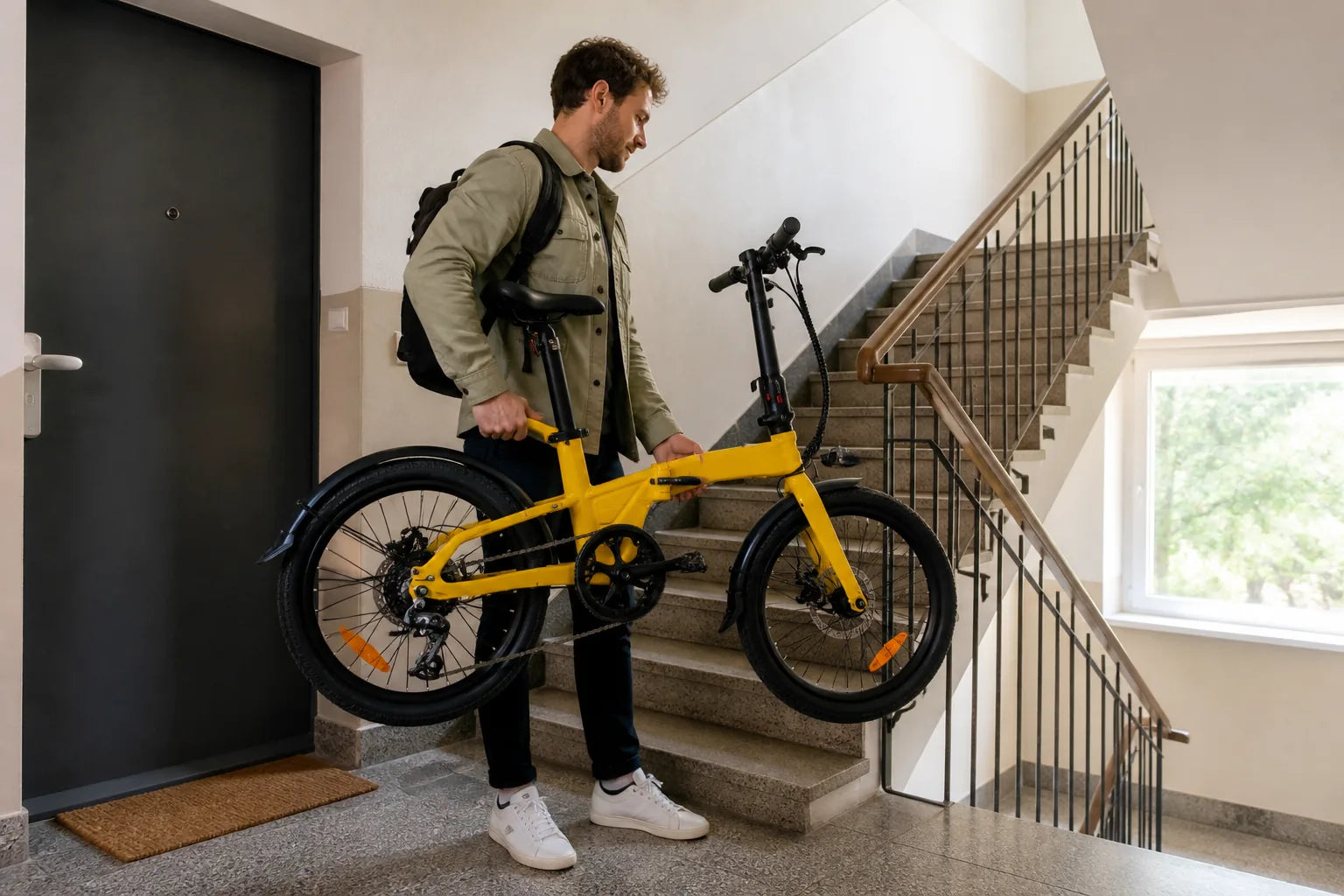
Carry an E-Bike Up the Stairs: How to Assess Weight, Grip, and Route
Low weight alone doesn’t make an e-bike suitable for carrying up stairs. What matters is a clear path, controllable handholds, the center of gravity, and a realistic lifting test with the complete bike.
Read moreabout Carry an E-Bike Up the Stairs: How to Assess Weight, Grip, and Route
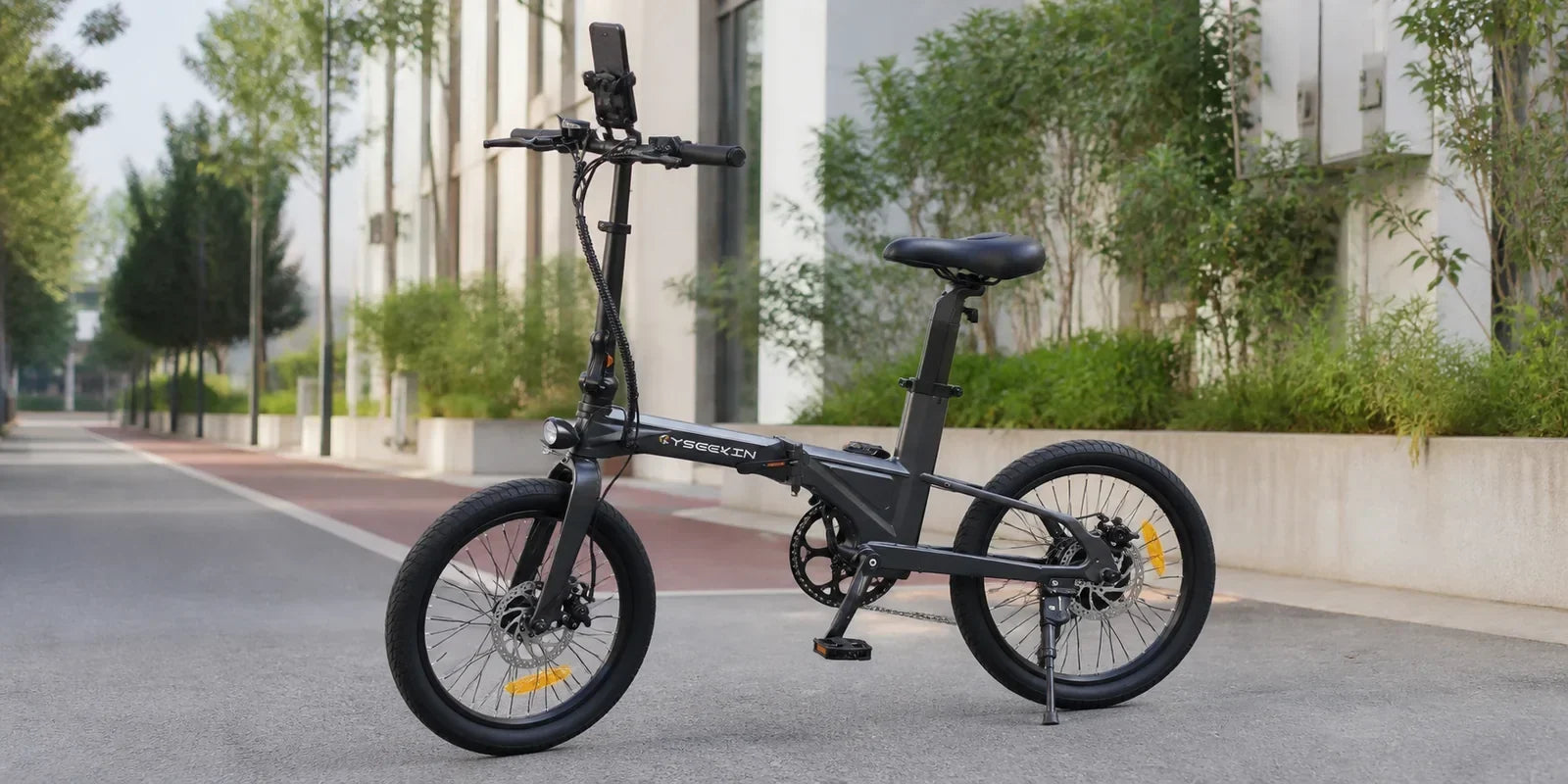
Metal Bike Phone Mount: What Really Matters
A good phone mount must securely connect your smartphone to the handlebars, withstand vibrations, and allow a quick glance without taking your attention away from traffic.