

Cyseekin E-Bike Blog
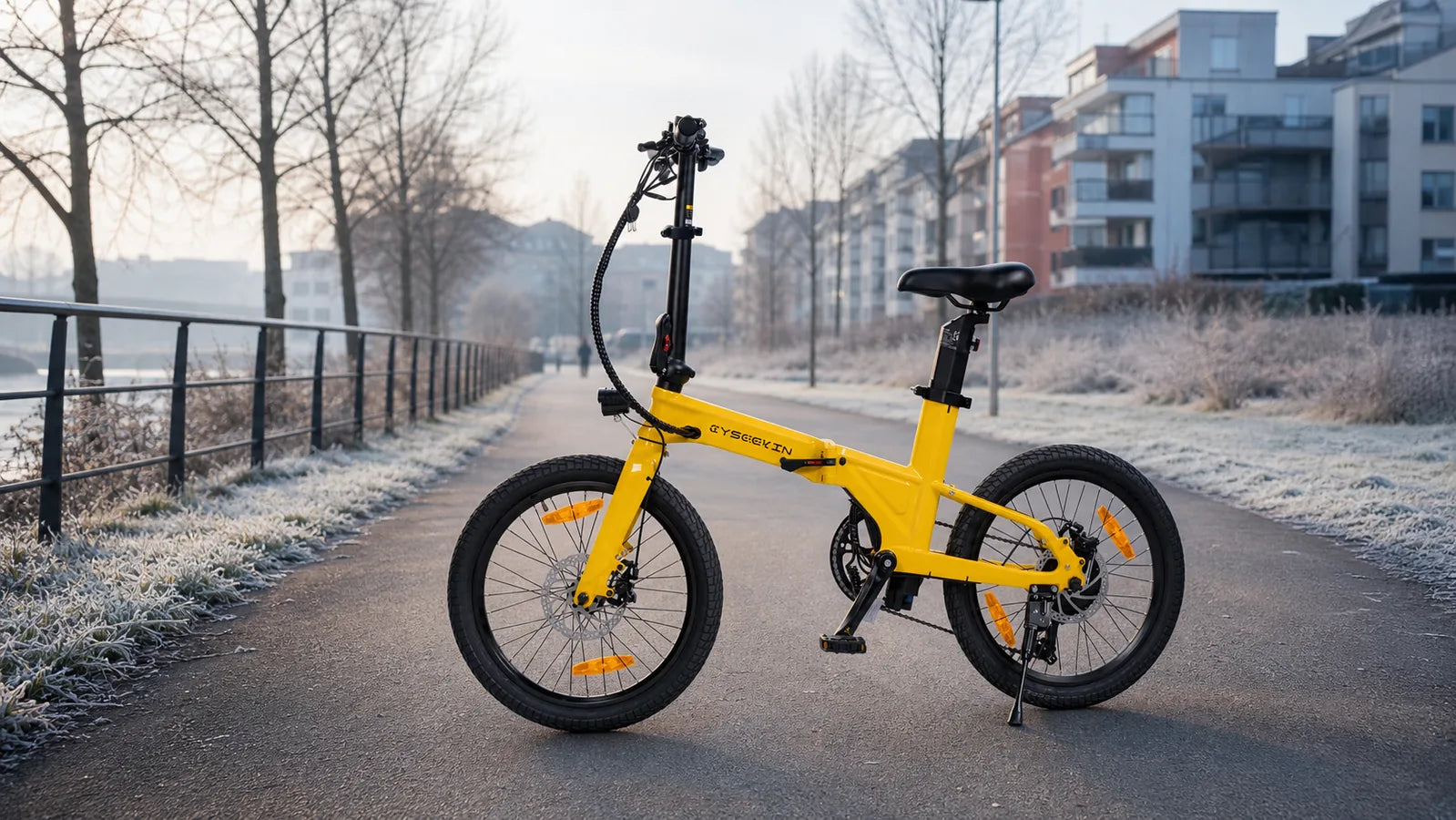
E-bike range in winter: How to plan your battery and reserve
Brief overview: Cold can temporarily reduce usable battery performance. The route, wind, tire pressure, load, and assistance level are also decisive factors.
- Maximum range specifications are not a guarantee for winter conditions.
- Store the battery in a dry place and only install it shortly before riding in freezing temperatures.
- Plan your route with a reserve and document several comparison rides.
Read moreabout E-bike range in winter: How to plan your battery and reserve
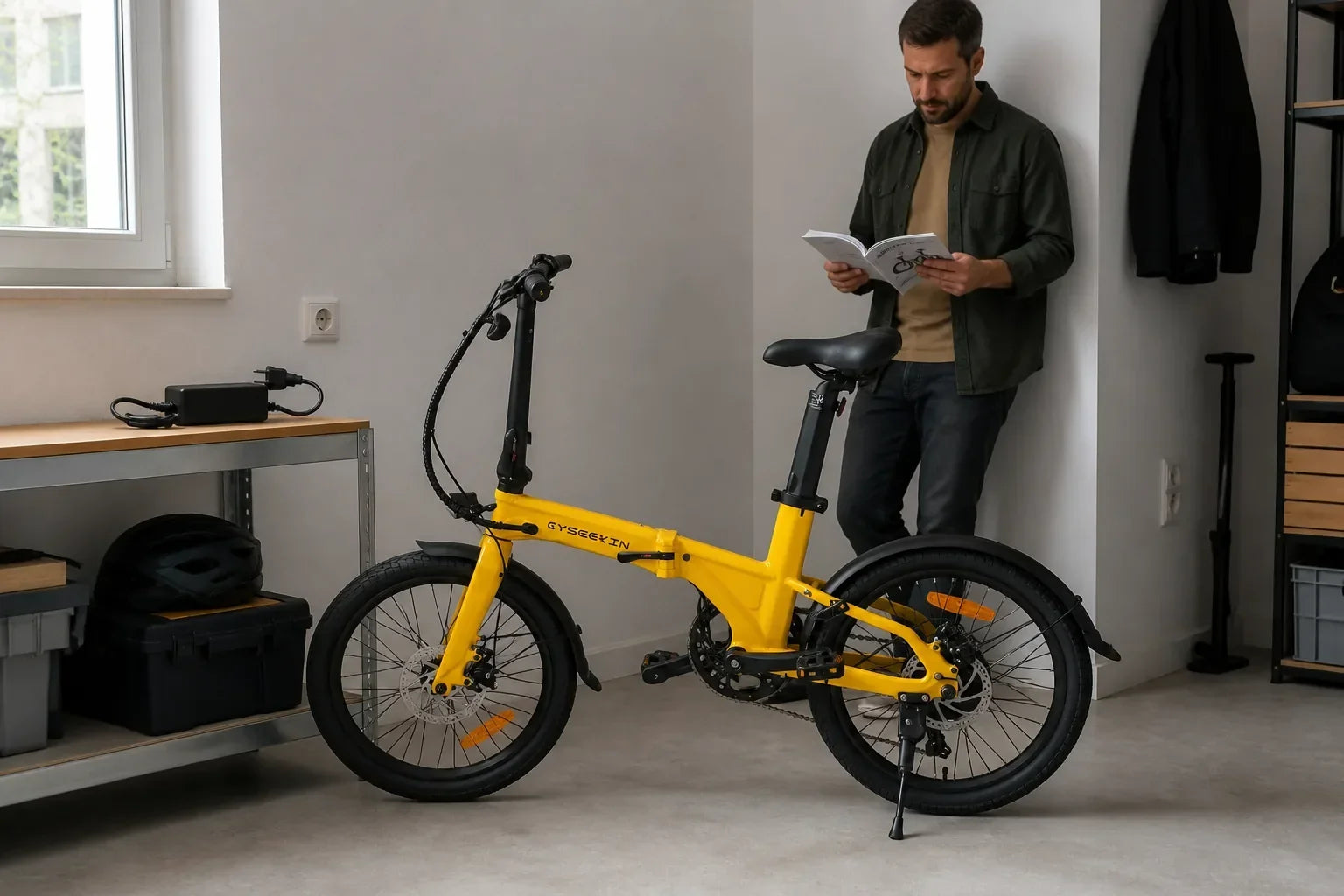
Charging the e-bike battery: What is the correct sequence for the C10?
In short: For the Cyseekin C10, connect the DC side to the bike first, then connect the AC side to the power outlet.
- Use only the original charger or one expressly approved for use.
- Charge in a dry, well-ventilated area and within the permitted temperature range.
- Stop charging if there is any damage, moisture, or unusual heat.
Read moreabout Charging the e-bike battery: What is the correct sequence for the C10?
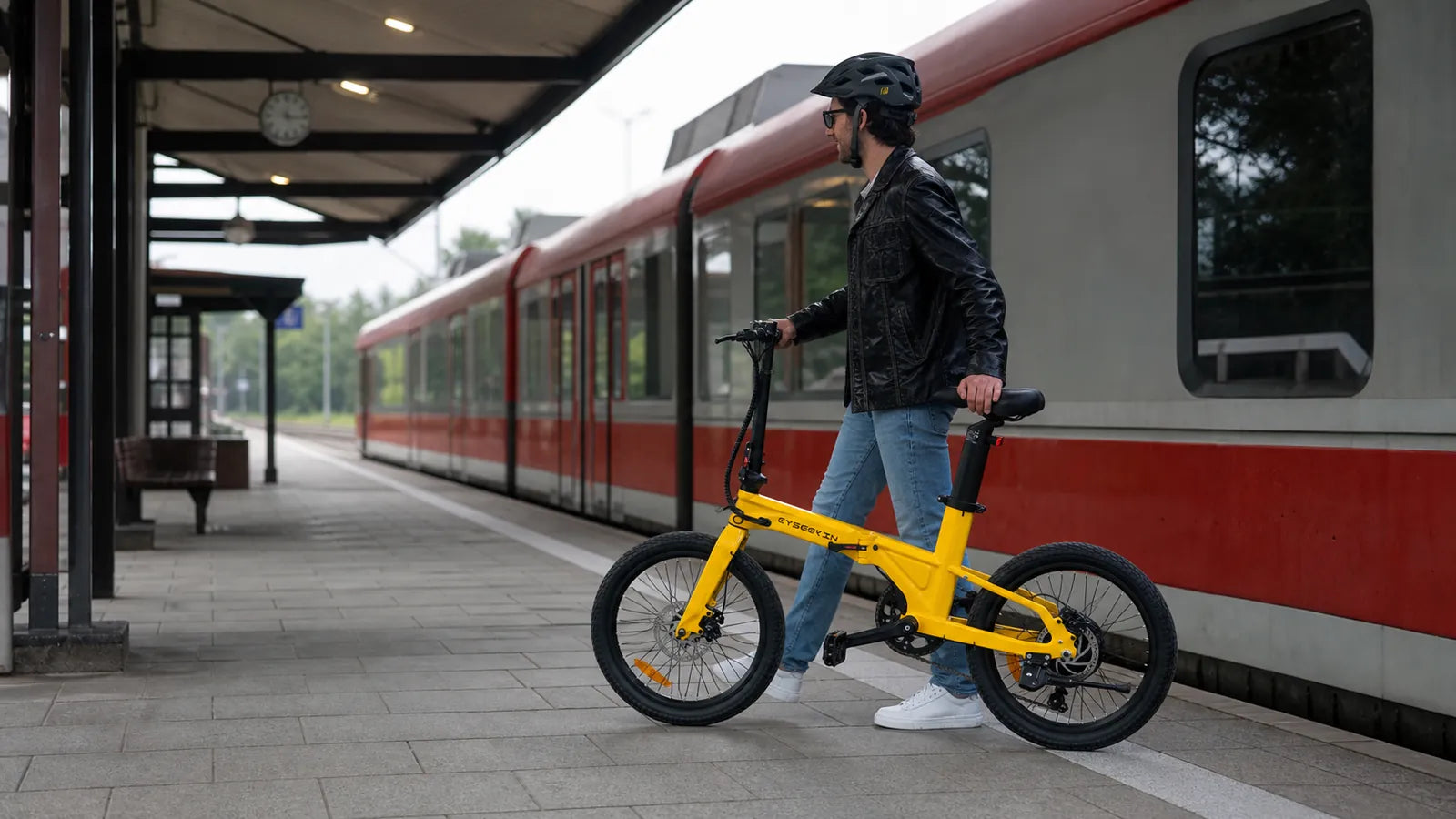
- 0 commentsto Taking an E-Bike on the Train: Planning Your Ticket, Battery, and Folding Bike Properly
Taking an E-Bike on the Train: Planning Your Ticket, Battery, and Folding Bike Properly
Whether an e-bike travels as a bicycle or folded as luggage determines the ticket, reservation, and storage requirements. Before traveling, check the operator’s rules, train type, and actual folded dimensions.
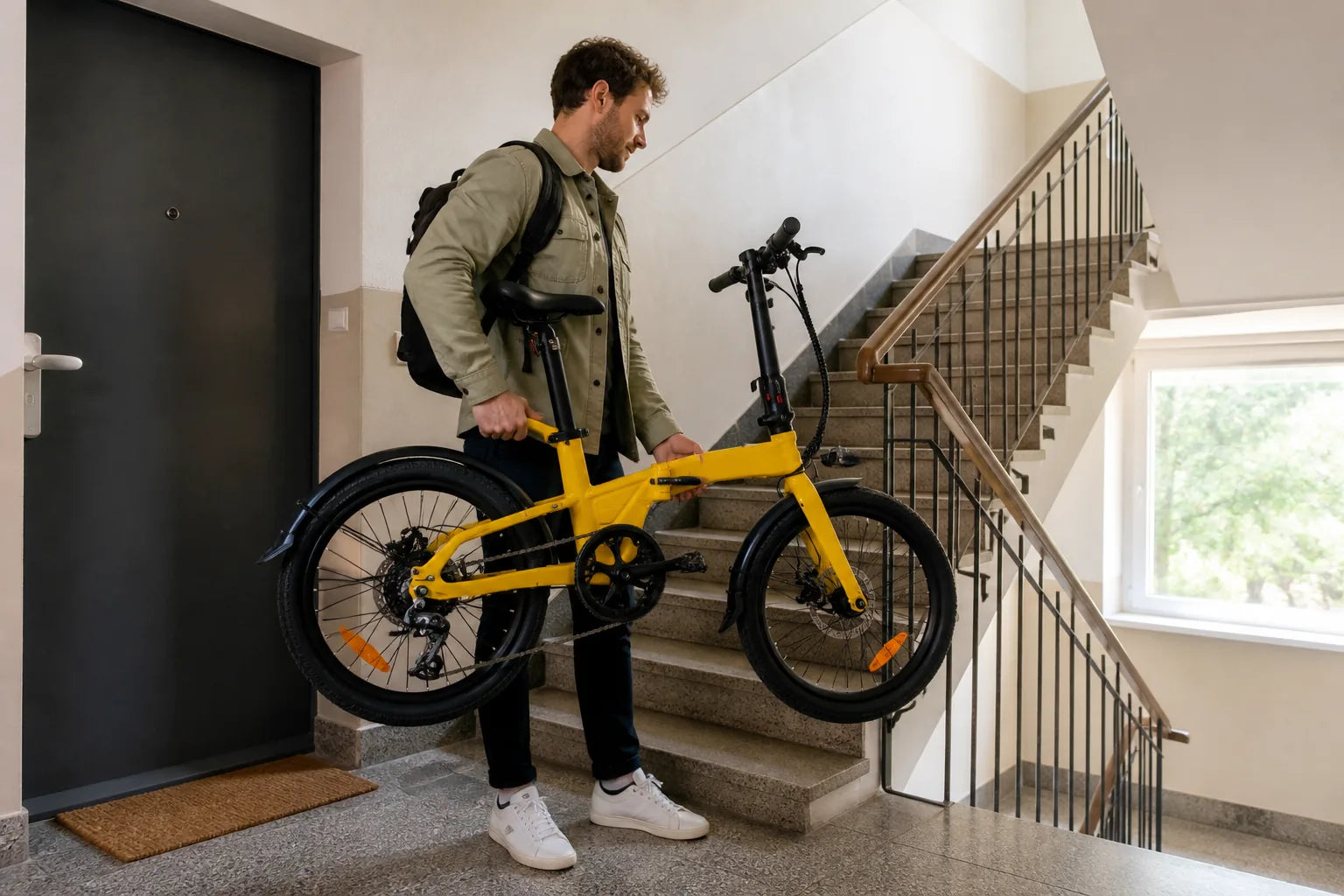
Carry an E-Bike Up the Stairs: How to Assess Weight, Grip, and Route
Low weight alone doesn’t make an e-bike suitable for carrying up stairs. What matters is a clear path, controllable handholds, the center of gravity, and a realistic lifting test with the complete bike.
Read moreabout Carry an E-Bike Up the Stairs: How to Assess Weight, Grip, and Route
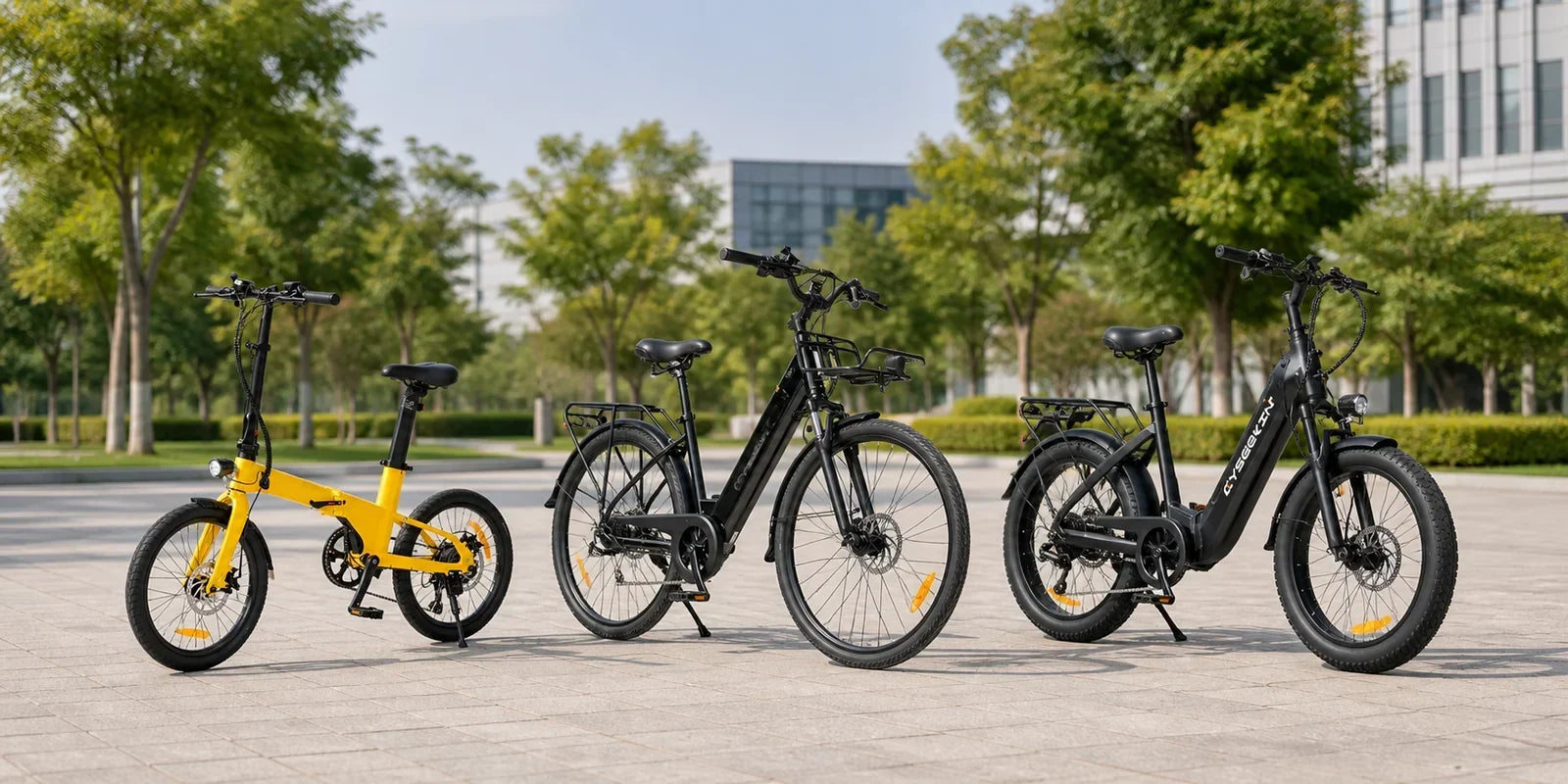
Which Cyseekin e-bike is right for me? Choosing the C10, S10, and C20 correctly
C10, S10, or C20? A structured summary, everyday scenarios, and decision guide show which Cyseekin e-bike suits your transport needs, route, and luggage.
Read moreabout Which Cyseekin e-bike is right for me? Choosing the C10, S10, and C20 correctly
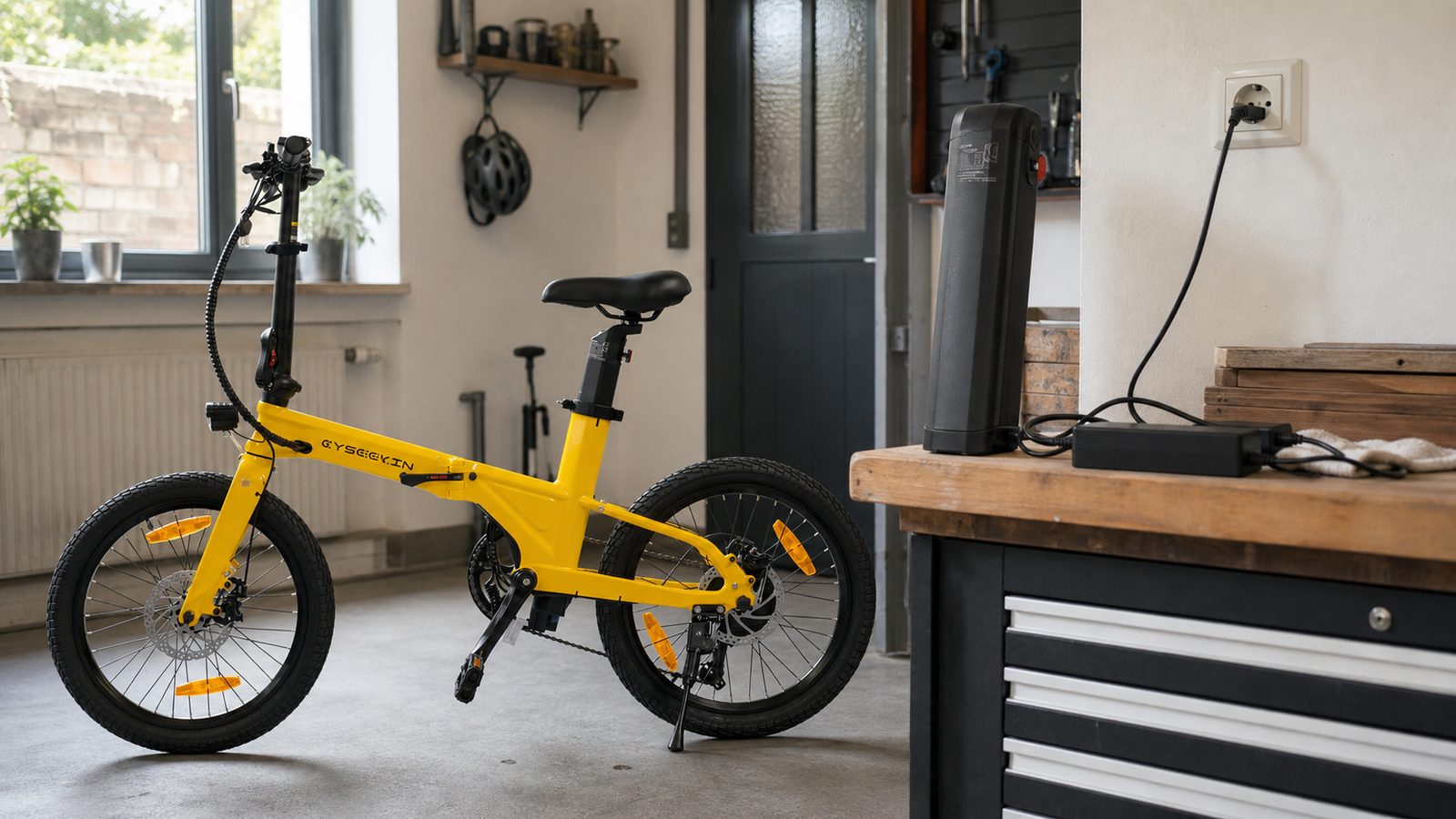
What does charging an e-bike really cost? My C10 calculation for 100 km
How much does it cost to charge an e-bike? I’ll use the 345.6 Wh battery of the Cyseekin C10 as an example: per charge, per 100 km, and per year—including charging losses.
Read moreabout What does charging an e-bike really cost? My C10 calculation for 100 km
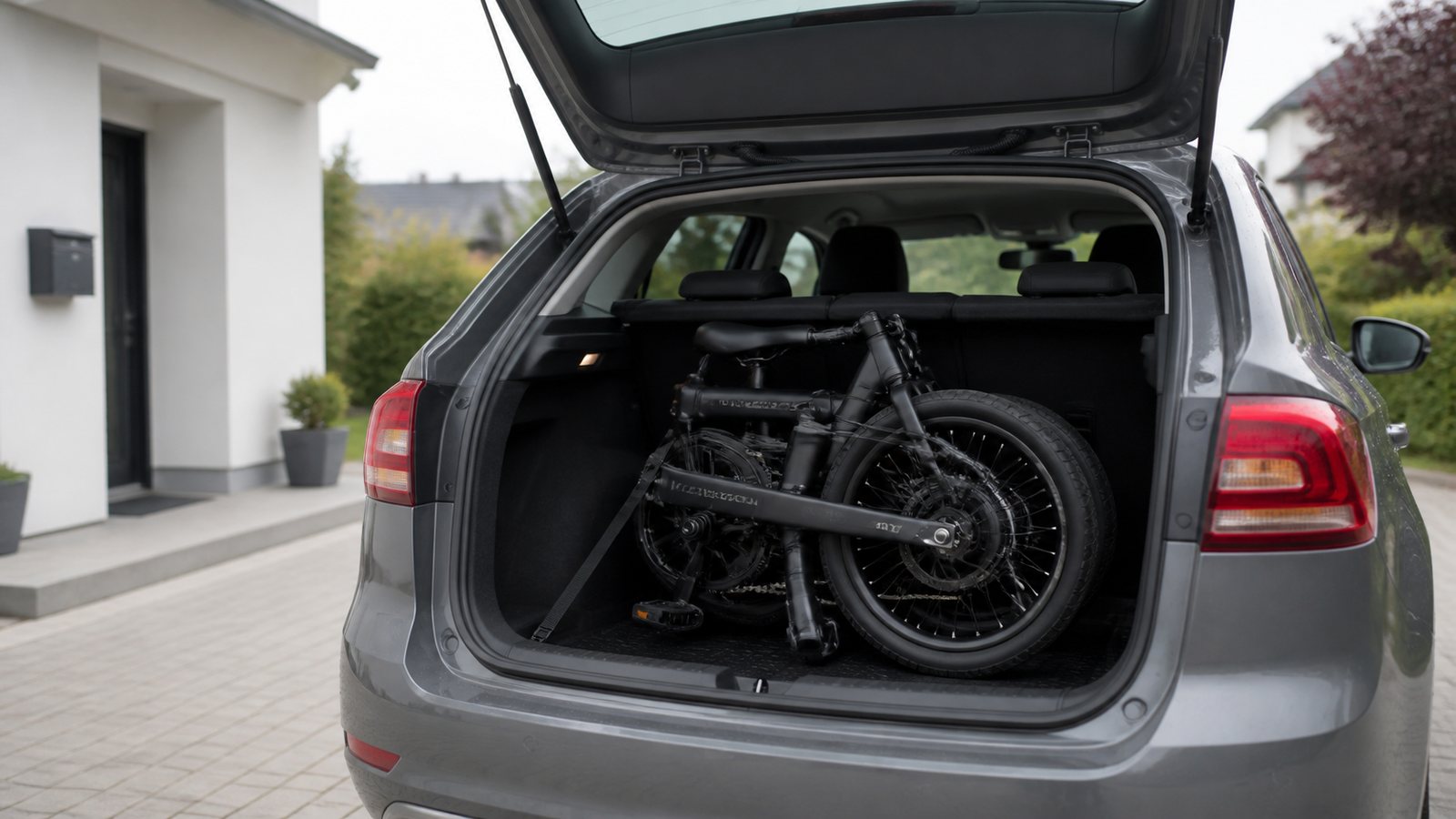
Transporting an E-Bike in a Car: Remove the Battery? 7 Safety Checks
Does the battery need to be removed when transporting an e-bike in a car? This 7-point checklist helps with carrier load capacity, securing the bike, rain protection, and planning your trunk space.
Read moreabout Transporting an E-Bike in a Car: Remove the Battery? 7 Safety Checks
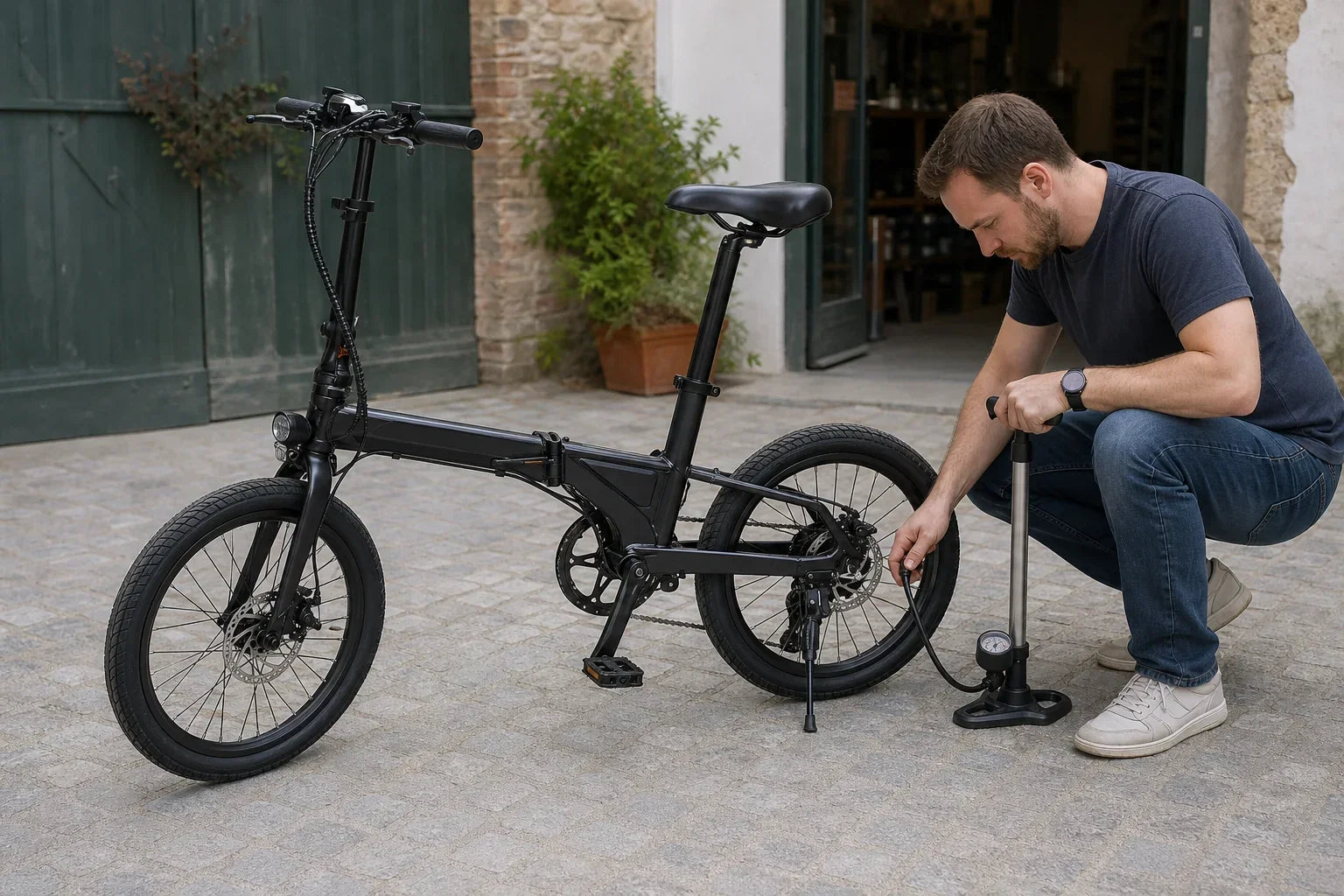
What tire pressure should you use for an e-bike? How to find the right pressure
Too little or too much air affects comfort, grip, and tire wear. Here’s how to find the right e-bike tire pressure without relying on a one-size-fits-all bar value.
Read moreabout What tire pressure should you use for an e-bike? How to find the right pressure
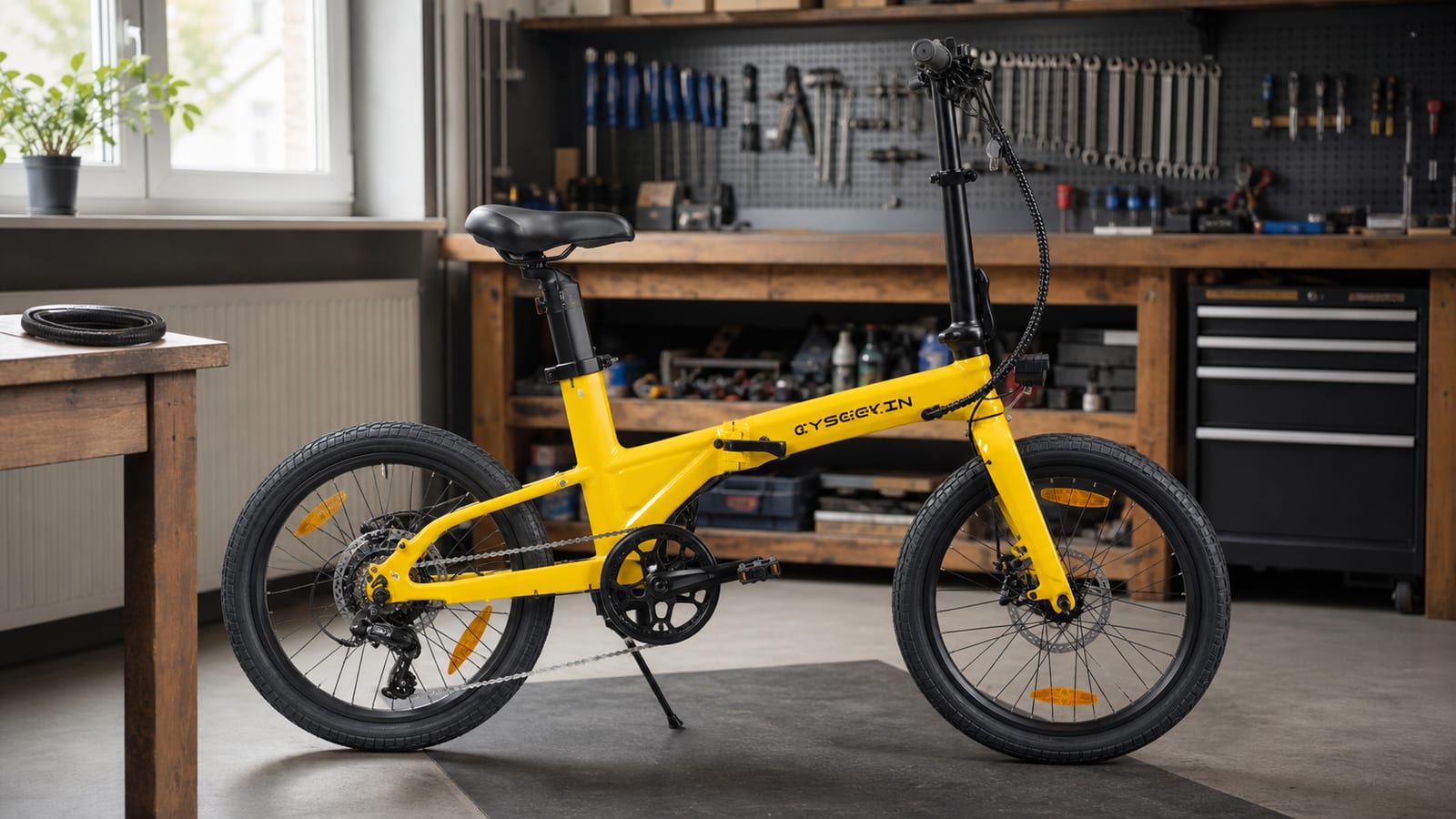
E-bike with chain or belt: What are the actual drivetrain costs?
Chain or belt? I’ll show you the maintenance and running costs that actually arise in everyday use—and what the Shimano 7-speed chain drive of the Cyseekin C10 means in practice.
Read moreabout E-bike with chain or belt: What are the actual drivetrain costs?